Israel Strikes Iran for First Time Since April Ceasefire — Then Halts at Trump's Request
If you've been half-watching the news and suddenly see "Israel strikes Iran" in the headline, here's the fast version of what happened — and why it matters even if you're thousands of miles from the Middle East.
This all kicked off over the weekend of June 7–8, 2026 — the 100th day of an active war between the U.S.-Israel alliance and Iran that began on February 28. A fragile ceasefire had been holding since April 8. Then things unraveled fast.
How it started
Israel launched airstrikes on Beirut's southern suburbs on Sunday, June 7 — in defiance of Washington's explicit request to stand down. Israel said it was targeting Hezbollah (the Iran-backed militant group operating in Lebanon), but the timing was deeply provocative. Iran had already warned that if Israel kept hitting Lebanon, Tehran would resume strikes it had paused under the ceasefire.
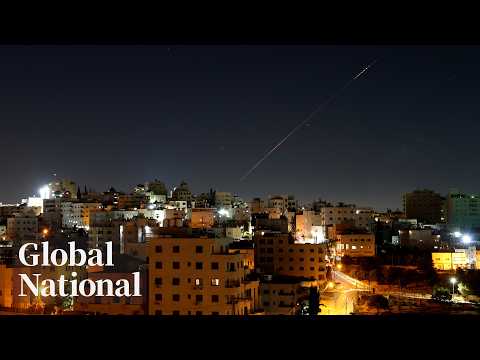
And it did. Iran launched waves of missiles at Israel on Sunday night, the first direct bombardment since the April 8 ceasefire took effect. Three separate waves of Iranian missiles were fired, targeting areas including central Israel and the southern desert city of Dimona — which happens to house Israel's main nuclear research center. Air raid sirens sounded across the country, and schools were canceled nationwide.
Israel then hit back, launching strikes on military and industrial targets in western and central Iran early Monday morning. Among the targets: a petrochemical factory in the city of Mahshahr that Israel said produced materials for ballistic missiles. Iranian state media reported at least 15 people were wounded in the strikes on Tehran and other cities.
Trump steps in — twice
Here's where it gets interesting. President Trump called Israeli Prime Minister Netanyahu twice in a matter of hours, urging him not to escalate further. According to a source familiar with the calls, Israel had been preparing for a significantly larger attack on Tehran when Trump personally convinced Netanyahu to hold off. Trump reportedly told Netanyahu he would "isolate" Israel if the strikes continued. Iran, for its part, called the U.S. and said it would stop shooting if Israel backed off.
After the second call, Netanyahu announced Israel had "halted" its attacks on Iran — though he pointedly did not call it a ceasefire, and made clear that strikes in Lebanon would continue. Iran simultaneously suspended its operations against Israel, but warned that any further Israeli aggression — including in southern Lebanon — would bring "much more severe and crushing measures."
Why this hits close to home
This war has real economic consequences for you. Since the conflict began in late February, global energy prices have been rattled. When Israel launched Monday's strikes, oil prices jumped sharply: Brent crude — the international price benchmark — surged to nearly $97.50 a barrel. That feeds directly into what you pay at the gas pump and, eventually, grocery stores, since almost everything in the supply chain runs on fuel.
The war has also strained America's emergency oil reserves. The Trump administration has already released tens of millions of barrels from the strategic petroleum reserve trying to keep energy prices from spiraling further.
What happens next
Both sides have technically stepped back — for now. A tentative deal to extend the ceasefire has been in the works but hasn't been finalized. Peace talks hinge partly on the U.S. releasing $24 billion in frozen Iranian assets, and Iran continues to insist it maintains control of the Strait of Hormuz — a critical shipping lane through which a huge portion of the world's oil travels. Meanwhile, Israel is still hitting Lebanon, which Iran says is a red line. In other words: the fuse is still lit. The parties just haven't struck the match again. Yet.
Claude’s Scrutiny
The key claim that Trump personally "convinced" Netanyahu to halt a major Tehran attack comes entirely from unnamed Israeli and U.S. officials — there's zero on-record confirmation, and Netanyahu's own statement carefully avoided the word "ceasefire," suggesting his version of events may differ significantly.
Key Takeaways
- Israel struck Iran for the first time since the April 8 ceasefire, after first hitting Beirut in defiance of a U.S. request — triggering Iranian missile fire on Israeli cities.
- Trump called Netanyahu twice in one day, reportedly convincing him to abort a much larger planned attack on Tehran. Israel then announced a halt to Iran strikes — but not to Lebanon strikes.
- Iran launched three waves of missiles at Israel, including toward Dimona, which houses Israel's main nuclear research facility. At least 15 people were reported wounded inside Iran from Israeli counterstrikes.
- Oil prices spiked sharply on the news — Brent crude jumped nearly $4.50 a barrel — a direct signal that this conflict keeps pressure on your gas and grocery bills.
- The broader ceasefire deal is still not finalized, with $24 billion in frozen Iranian assets and the status of the Lebanon conflict remaining the core sticking points.
Related videos

Perspectives
-
The primary source for this story; emphasized the Trump-Netanyahu phone call dynamics and Iran's conditional pause, with notable access to U.S. and Israeli officials — though nearly all key claims came from anonymous sources.
-
Focused heavily on the 100th-day milestone and the humanitarian/regional ripple effects, including Iran's threats toward Bahrain and the World Cup visa saga — giving more breadth to the wider regional fallout.
-
Led with the diplomatic angle — Trump floating the idea of unfreezing Iranian funds — framing the story more as a negotiation breakdown than a military escalation.
-
AP wire coverage offered the most geopolitically neutral framing, stressing the domestic political pressures on both Netanyahu (facing fall elections) and Trump (facing midterms) as the real drivers of the escalation.
-
Most detailed on the military specifics — strike targets, missile wave counts, oil price movements — making it the most useful source for the nuts-and-bolts of what was hit and when.
My Notes
Sloth is free. If it’s useful, you can help keep it running.