Houthi-Saudi Clashes Threaten to Collapse Yemen's Fragile Truce
So here's the deal: a truce that's kept Yemen relatively calm for about four years is falling apart, and it's got everyone from Riyadh to Washington nervous about a return to full-blown war. This isn't some far-off conflict that doesn't touch your life — it's tied directly to oil prices, shipping costs, and the broader Middle East mess that's already been dominating headlines.
Quick backstory: Yemen's civil war kicked off in 2014 when the Houthis, a rebel group backed by Iran, took over the capital Sanaa and pushed the government into exile. Saudi Arabia led a coalition to try to reverse that, and the fighting dragged on for years until a truce in 2022 brought relative quiet. It was never officially signed on paper, but it held — it was the longest lull in hostilities since the Saudi-led coalition intervened in 2015 in support of the government.
That calm started cracking in mid-July, when Saudi-backed Yemeni government forces struck Sanaa airport to prevent an Iranian aircraft from landing. The Houthis were furious, accusing Saudi Arabia of bombing the airport specifically to block a plane carrying a Houthi delegation home from Iran, where they'd gone to mourn Supreme Leader Ali Khamenei. The Houthis' spokesman then declared the "de-escalation phase" with Saudi Arabia officially over.
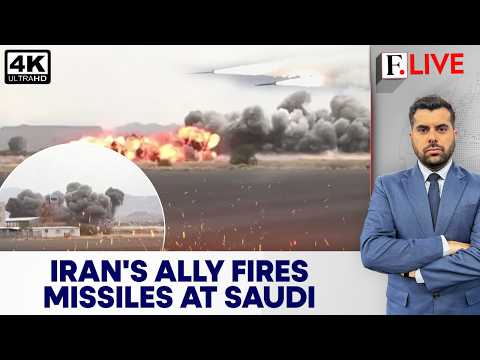
From there, things spiraled fast. As the Houthis retaliated with blockades and refinery attacks, Saudi Arabia answered with airstrikes on Houthi military positions in Hodeidah, taking care to present them as measured rather than the opening of a wider war. But Saudi Arabia isn't doing the ground fighting itself — Riyadh has left ground fighting to allied proxies, principally the internationally recognised Yemeni government and the Homeland Shield Forces. That's meant heavy casualties for those government-aligned forces: Yemeni government sources told Al Jazeera that at least 30 government soldiers were killed and 15 others injured when Houthis fired eight missiles targeting military camps in Hadramout and Marib provinces.
Why does this matter beyond Yemen? Two big reasons. First, the Houthis have shown they're willing to disrupt Red Sea shipping — one of the world's busiest trade routes — which can jack up shipping costs and, down the line, prices on stuff you buy. Second, this is happening while the U.S. and Iran are already locked in a separate, wider conflict, and Iran backs the Houthis. Analysts see this as Iran potentially using Yemen as another pressure point against Washington and its allies, on top of everything else going on in the region. A senior analyst summed up the domestic angle too: after more than four years of a de facto truce, the political track had largely stalled, and as negotiations lost momentum, the Houthis appeared to believe they were in a stronger position to increase pressure on Saudi Arabia.
The bottom line: nobody's officially declaring a new war yet, and both sides seem to still want to avoid all-out conflict. But the guardrails that kept things contained for four years are wearing thin, and a miscalculation on either side could tip things over.
Claude’s Scrutiny
Worth noting: casualty and escalation details mostly come from Yemeni government or Houthi-aligned sources, not neutral verification, so numbers like troop deaths should be read as claims, not confirmed facts — both sides have incentive to spin the narrative in their favor.
Key Takeaways
- A four-year, unofficial truce between Saudi Arabia and Yemen's Houthi rebels is unraveling, raising fears of a return to full civil war.
- It kicked off when Saudi-backed forces struck Sanaa's airport to block an Iranian plane carrying home a Houthi delegation from Khamenei's funeral.
- Since then, both sides have traded airstrikes, blockades, and missile attacks — with dozens of government-aligned soldiers reportedly killed in Hadramout and Marib.
- Saudi Arabia is trying to deter the Houthis without fully committing to war, leaning on allied ground forces instead of its own troops.
- The stakes go beyond Yemen: Red Sea shipping disruptions and Iran's broader standoff with the U.S. make this a potential flashpoint for oil prices and regional stability.
Related videos

Perspectives
-
Straightforward AP wire coverage focused on the airport strike as the triggering event and the risk of a broader war reigniting.
-
Frames the story from Saudi Arabia's strategic dilemma, emphasizing Riyadh's economic stakes (Vision 2030) and its cautious, proxy-driven military response.
-
Most detailed on casualty figures and includes independent analyst commentary on both domestic and regional drivers of the escalation.
-
Policy-analysis lens that ties the crisis closely to Iran's regional strategy and U.S.-Iran tensions, more skeptical of Houthi motives.
-
Provides neutral historical timeline and background context, treating the current clashes as part of a longer conflict arc rather than breaking news.
-
UAE-based outlet gives a chronological breakdown of how the crisis built up over 2026, including the UAE's own withdrawal from counter-terrorism operations.
My Notes
Sloth is free. If it’s useful, you can help keep it running.